Why We Need Tiny House Communities

It really does take a village, and there are real benefits.

By Lloyd AlterUpdated August 26, 2020

Escape Tiny House
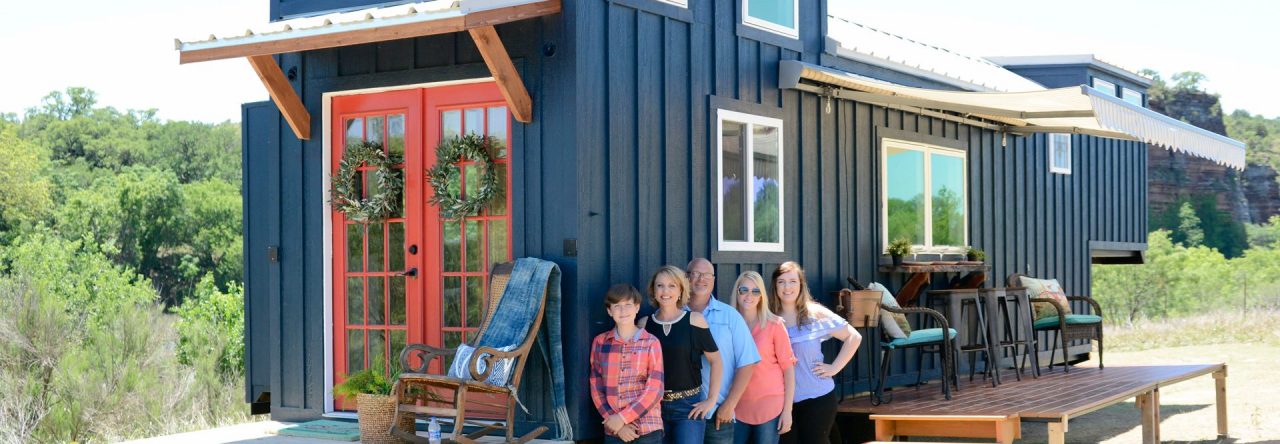
Escape Tiny House. Escape Tampa Bay Village

News

After Treehugger wrote about a tiny home community in Tampa Bay, Florida, the developer of the project, Dan Dobrowolski, was depressed. I had forgotten to advise him that commenters can be harsh, particularly if they are not our wonderful Treehugger regulars. The post was very popular and got a lot of comments, many complaining about costs. This has been the case with every tiny house post I have ever written, and was also the case when I was trying to sell a green modern tiny house many years ago.https://cd0c40238a4927d156c7bb6805089daa.safeframe.googlesyndication.com/safeframe/1-0-37/html/container.html

Tiny houses started with a fantasy: that you could build a little place of your own and park it somewhere and live a tiny life with almost no money. There indeed are people who have done this, but land is expensive, as are niceties like water and a sewer connection. That’s why after I bombed out of the tiny house biz, I wrote that “the only way the tiny house movement is going to succeed is if people get together and build intentional communities of tiny houses.” I was a big fan of the trailer park economic model, where you own the house but rent the land, because all the base costs of land and services are shared, so the costs are much lower.

This is the problem Dan had with the comments, where people were saying that they could go out and buy a house or a condo for the price of one of his tiny homes. Dan felt he had to clarify:https://cd0c40238a4927d156c7bb6805089daa.safeframe.googlesyndication.com/safeframe/1-0-37/html/container.html

Specifically, many want to make the comparison between units in a community like ESCAPE Tampa Bay and a condo or home in terms of costs and expenses. They are vastly different. The only cost, other than power and internet, for a unit in our community is a monthly lot rental…this varies from $400 – 600.

https://tpc.googlesyndication.com/safeframe/1-0-37/html/container.html

That lot rental fee includes property taxes, water, sewer, garbage pickup, parking, exterior maintenance, landscaping, and on-site management. There are also onsite amenities like the office space.

And as for the comparison to an apartment, this one is simple. In addition to savings on some of the items listed above, when your lease is up on an apartment, you have nothing, your money is gone. With one of our units, you own it. Plus the monthly cost for one of our units in Tampa is LESS than the average apartment rent in the area. Renting seems a very bad deal in comparison.

https://cd0c40238a4927d156c7bb6805089daa.safeframe.googlesyndication.com/safeframe/1-0-37/html/container.html

This is not meant to be a free advertisement for Escape Tampa Bay. But it is an attempt to point out that ever since the start of the tiny house movement, it has been complicated. Ben Brown wrote almost a decade ago about his experience living in a community of tiny homes (Katrina cottages, not Tiny Homes on Wheels) and the three lessons he learned:

  1. They cannot just be dropped anywhere. “They need small-lot site-planning and the company of friends.”
  2. They need to be really well-designed and well-built. “When you compress the volume, the first thing to go is wiggle room for sloppy decision-making. Compromise on design and construction quality, including material choices, and you’re off to the race to the bottom.”
  3. It takes a town. “No problem feeding the private, nesting impulse with cottage living; but the smaller the nest, the bigger the balancing need for community.”

https://tpc.googlesyndication.com/safeframe/1-0-37/html/container.html

Ben Brown was living in a cottage community within a quarter-mile of resources like supermarkets, bars, and a YMCA. ESCAPE Tampa bay is not; its location gets a Walkscore of 26 and the only restaurant within walking distance is an IHOP, so this is not a car-free paradise.

Tampa Bay Village
Tampa Bay Village. Tampa Bay Village

But it is a community. It does provide the necessary services and a framework of support. Yes, the cost per square foot is high; it always is when you use quality materials and details, and you build to last. As Ben Brown said, “Better to achieve the savings by intelligently compacting the space, as opposed to competing with production builders who amortize prices per square foot over thousands of under-performing square feet.”

The Katrina Cottage where Ben stayed was supposed to be the start of a movement. I wrote at the time that “we are on the cusp of a revolution, where small, efficient and affordable houses on narrow lots in walkable neighborhoods will be the new normal and the new hot commodity.”

I really did think the tiny house would be part of this revolution, but it didn’t happen, perhaps because people didn’t understand it; they thought that if they are getting trailer-sized homes then they should be paying trailer-like prices; and the reverse, if they are paying ESCAPE prices, they should get a house. But it doesn’t work that way in the real world. (Ben Brown had his own take on why the Katrina Cottage revolution didn’t happen.)

This is why I am still excited about the ESCAPE project; perhaps it is revolution time. You can get a high quality, well-designed home that’s built to last, and like everything in life, you get what you pay for. It is not a trailer park but in a tiny home community. They are two different things, serving two different markets.

Dan started his note to me saying “sadly, I feel I did a poor job explaining some things for your readers.” But frankly, many of us have been doing a poor job explaining things since tiny houses started, because nobody was quite sure what they were: Are they trailers? Are they houses? Where do I put one?

Dan Dobrowolski may not have explained these things in words, but he is demonstrating it on the ground, and that is far more important.


How to Buy a Tiny House

by Lexi Klinkenberg: lexi.klinkenberg@redfin.com

If you’re thinking about downsizing in a big way, here’s how to buy a tiny house and simplify your life.

You’ve probably read news stories about tiny homes – the miniscule, 150-square-feet houses (a few hundred square feet at most) that promise a simple lifestyle and affordable living. If the promise of drastically reduced utility bills and the forced simplicity (no room for clutter) appeal to you, here’s how to purchase a tiny house or build your own.

How to Buy a Tiny House

You have a few options for buying a tiny home. You can find one that is already built on land, you can purchase land and then buy or build a tiny home to put on it, or you can buy a tiny home that is mobile and camp with it temporarily.

You can browse tiny house listings on Redfin.com; simply search for homes in a specific area, and then use the filter options to set “500” as the maximum square footage. To filter out condos and townhomes in your search results, make sure that you unselect all of the boxes under Property Type except for “Homes.” If a tiny home is listed on the multiple listing service or on for-sale-by-owner sites, it will show up in your search results on Redfin. Keep in mind that you’ll find more tiny homes for sale in rural areas than within a city, so if you don’t see any in your results, try broadening your search area.

How to Buy Land for a Tiny House

The other alternative is to buy an empty lot of land and then put a tiny house on it. To search for land for sale on Redfin.com, uncheck all of the boxes under Property Type except for “land.” If you’re planning to live in your tiny house full-time, you’ll want to look for land with water and septic systems already in place; most listings will mention this in the property description.

If you’re planning to live off the land, with a vast garden for growing fresh vegetables and ample room to explore the wilderness, consider purchasing a few acres or more. Be aware that you’ll need permits to construct a home on vacant land, particularly if the land has never had a residential property.

In some cases, you may not be eligible to build a tiny home on vacant land and may need to build the tiny house as an accessory dwelling unit. An accessory dwelling unit, or ADU, is a secondary residential unit built on a property that already houses a single family home. Your options vary by state and city, so it is important to do thorough research prior to buying land.

Once you’ve purchased property, you can build or buy a tiny house. There are several builders who specialize in tiny homes and can build one with just the basics or with move-in ready furnishings. Most tiny homes are built on trailers, so you can pick one up with a truck and haul it anywhere, but some are set on foundations like a traditional home. Prices range from $8,000 to $150,000, depending on the quality of materials and custom finishes.

How to Build a Tiny House

If you’re looking through tiny house listings and decide you don’t want to buy a tiny house, you can build one. You can do this on your own or with the help of a contractor who specializes in these types of structures. Building a micro home is a multi-step process that entails a lot of planning. You’ll need to:

  • Select a suitable site and finalize the purchase of your land.
  • Draw up a rough floor plan with must-have features.
  • Decide if you need sewer and septic hookups, or if you’ll bring water in and out on your own.
  • Decide if you need electricity, or if solar power is an option.
  • Purchase or draft your final plan.
  • Consult with builders and establish your budget.
  • Acquire proper permissions (right-of-ways, etc.) and the appropriate permits.
  • If you use salvaged materials and build the home yourself, you could spend as little as $8,000. But it takes a lot of time and know-how, especially if your home has electricity and plumbing.

Where to Park a Tiny House

If you have decided on buying a tiny house on wheels, then you’ll need to understand where you are allowed to park your home. Depending on your location, there may be tiny home communities where you can rent or purchase a space to park your home. If your tiny home is legally considered an RV then you can park it in an area zoned for RVs.

How to Finance a Tiny House

While researching how to buy a tiny house, you may wonder what loan options are available. As tiny homes are not large enough to be considered a single family home, they typically do not qualify for a traditional mortgage. However, there are other financing options to look into before you buy a tiny house.

RV loan: If you plan on buying a tiny house on wheels, you may qualify for an RV loan. These loans tend to be lower in interest, but your tiny home will have to be verified as an RV in order to secure financing. Similarly, you may also qualify to take out a travel trailer loan from your credit union.

Personal loan: Tiny homes are often considered personal property so you might consider taking out a personal loan to buy a tiny house. It is important to consider that personal loans are often unsecured compared to a traditional secured mortgage, so you won’t have to put up collateral in case you default on a payment. However, you’ll likely have a higher interest rate with a personal loan.

Peer-to-peer lending: Since you’re joining a community of tiny-home owners that likely share similar values, there are often people out there willing to loan money to those planning on buying a tiny house. There are many sites that can connect you to investors willing to loan you money to buy a tiny home. Generally, the terms of these loans are determined by the investor along with your credit score.

How to Live in a Tiny House

Living in a tiny house means living a minimalist lifestyle. If you love experiences and spend a great deal of time outside of your home or traveling, you don’t need much square footage to live in other than the basics. That’s the premise behind the tiny house movement.

If you’re downsizing from a larger home, you’ll need to rid yourself of much of your belongings. A large dining room table that seats 12 is not likely to fit in your micro home. Consider giving these items away, donating them to charity, or hold a moving sale.

You’ll need a strong commitment to organization in order to make tiny-house living work for you. With minimal space, even a few out-of-place items can make your home feel cluttered and disorganized. If you’re moving to a tiny home, this might be precisely the lifestyle you’re looking for.

Questions?

For more information about buying a piece of property or how to buy a tiny house, contact a Redfin real estate agent today.

Healthy Gardening

Healthy Gardening
This year many “victory gardens” were planted due to having to stay at home and closures of school and many businesses. Historically victory gardens were started during WWI and carried on through WWII. They served as a successful means to boost morale, express patriotism, safeguard against food shortages on the home front, and ease the burden on commercial farmers to feed troops and civilians overseas. So whether you are a seasoned gardener or a novice, having a healthy garden means you will be healthy too as you eat the produce and surround yourself with nontoxic ways of caring for your plants.Many gardeners regularly pull out the bug spray or weed killer when they encounter an unknown insect or want to clear out some weeds. Everyone should know that using pesticides can potentially expose us to immediate and long term health risks. For instance, recent studies have linked pesticide exposure to increased risk of Parkinson’s disease and a connection between endometriosis risk. And the inert ingredient, glyphosate, in weed killer is deadly to human cells.So what to use instead? Melaleuca’s products are not only healthy to use inside the home but outside as well. From ants to zinnias, Melaleuca’s household cleaning products work to rid your garden of unwanted pests:Ants can be killed with PreSpotSol-U-Mel or Tough & Tender. If ants are making a little trail into your home, sometimes just dusting them with clove spice or dropping mint leaves on their trail will cause them to decide your home is not so attractive after all. In the yard, repeatedly spraying water on them can make them decide to move to another part of the yard. If you have fire ants, kill them with the following mix. In a two gallon bucket of water: 1 capful of Tough & Tender, 1 capful of MelaMagic, 1 capful of Sol-U-Mel, 1 capful of Tub & Tile, and 10 drops of Lemon Brite. Stir and pour half of the bucket on the fire ant bed. Wait 30 minutes and pour on the other half. This kills them “dead” and they won’t come back.
 Bagworms can be eradicated by spraying the nest with diluted Lemon-Brite. It may take several sprayings.
 Black spot, rust, or powdery mildew on flowers or vegetable leaves can be prevented by spraying with diluted 1:5 mixture of Sol-U-Mel. This solution also is very effective to spray on fruit trees, shrubs, plants, and grass to wipe out aphids, ants, and other bugs that are detrimental to fruit growing.
 Aphids are soft body insects that suck plant juices. You will usually find them on new growth. Spray with diluted Tough & Tender and rinse off with water.
 To prevent bugs infesting your apples as they grow, spray apple trees with one bottle of Renew Bath Oil into 5 gallons of warm water.
 Mix 1 cup of Tough & Tender in a lawn sprayer and fill with water. Spray onto plants thoroughly to get rid of spider mites that may infiltrate some growing vegetables.
 Mix 1/8 cup of Tough & Tender to 5 gallons of water and water around the base of tomato plants. This will help rid of blight and insects that crawl up the stems.
 To rid your garden of slugs and other bugs, spray diluted Sol-U-Mel around the base of your plants. It won’t work as fast as salt, but it is safer for your plants.
 Zinnias are prone to powdery white patches caused by powdery mildew. Give zinnias good air circulation and avoid watering them from above. If affected by powdery mildew, spray diluted Sol-U-Mel directly on the leaves of your zinnias. They will usually show improvement in one day.
 Don’t forget to disinfect your garden tools with Sol-U-Guard Botanical to keep mold spores from spreading.
 A spray bottle of Tough & Tender and Sol-U-Mel along with common sense and a bit of patience can result in a healthy productive garden.
~ Richard M Barry 
?

Affordability of Tiny House Living

According to USA Today and Independent reporting services, “there are an estimated 10,000- 20,000 tiny homes in the US, with the majority of owners being under 36 years old.” “…many middle- and low-income area residents spend more than they can afford on housing. Some 38.6 percent of area households in the $45,000 to $74,999 income range and 66.1 percent of those in the $30,000 to $44,999 income range are housing-cost burdened.”

If a tiny home is portable, the U.S. financial system places them in the category of recreational vehicles or mobile homes. Zoning and code laws to legally park a tiny home may require negotiating or checking with building officials or tax authorities.

In August of 2018, The Federal Housing Finance Agency ended their participation in the single-family rental market, again showing a lack of care for middle class Americans. Tiny housing the only option outside of assisted living for many Americans as gentrification makes renting in most large cities beyond affordability for couples who make less than $40,000 dollars a year. By its definition, a household of three would have to earn between $42,000 and $125,000 to qualify as middle class in the U.S.

We believe going tiny is inevitable. Instead of big houses, living on a wide expanse of land with natural beauty will be the sign of prosperity. CNN business reported that “more than half of Americans would consider living in a home that’s less than 600 square feet, according to a survey done by the National Association of Home Builders. And among millennials, interest increases to 63%.” Jewel D Pearson is a blogger for the Tiny House Movement, who shares what tiny house living means to her. “Tiny house living is less stress; less to clean, less to have to work to pay for, less to worry about being able to afford, less time to get to actual home ownership.

Jim Rohn Quote

“You must constantly ask yourself these questions: Who am I around? What are they doing to me? What have they got me reading? What have they got me saying? Where do they have me going? What do they have me thinking? And most important, what do they have me becoming? Then ask yourself the big question: Is that okay?”
Jim Rohn

Why choose us?

  • We have designed, built, and remodeled traditional homes since 2003
  • In October, 2017, we downsized from the 2200 square foot “forever home” our family remodeled into 384 sq ft to become a product of our product
  • The inspiration for our project is to create the ideal tiny house community we want to live in
  • Our models were voted top best 3 in the nation in 2017 and 2018

8 Things We Love About Tiny Living

8 things we love about tiny living after 16 months

  1. NO MORTGAGE DEBT
  2. NO PROPERTY TAXES
  3. 70% reduction in Utilities 
  4. Less time to clean and maintain house and yard
  5. More time and money to invest in our new company
  6. New habits of organization: Everything has a place and everything in its place
  7. Less procrastination:  if I start a project, I finish it
  8. The minimalist mentality transfers to other areas of life:  shopping, business, marketing plans, even relationships. K.I.S.S. (KEEP IT SIMPLE SWEETY)

BONUS: TRAVEL MORE, spend time with kids and family

My Dentist in Mexico

My Mexican Dentist

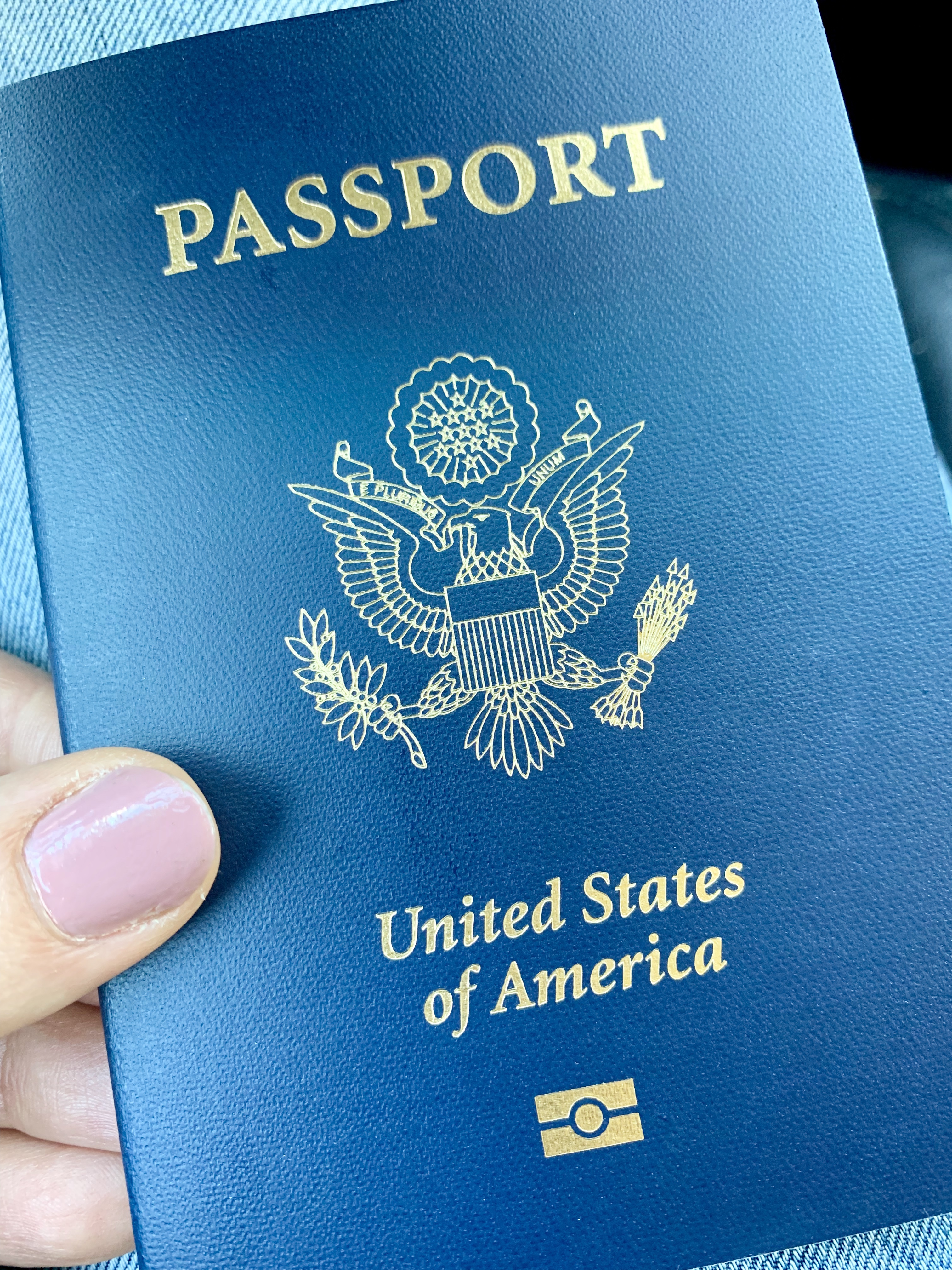
Putting my passport and Spanish to work today. Todd and I are driving to Mexico to get some dental work done. Did you know that people take dental vacations to places like Cancun, etc. because the cost of their flight, the stay in a resort, and dental treatment by American accredited dentists (probably retirees), is still far more affordable than getting dental work done in the U.S.?

https://www.medicaltourismmag.com/article/top-10-medical-tourism-destinations-world

Myles Wakeham of “Be Unconstrained” podcast says, “The reality is that I can get better quality healthcare by being a medical tourist than back here at home. I don’t run the risk of bankruptcy if some insurance company decide not to pay a claim. I can get a better education by roaming the world and learning from other cultures. Even going to university in Europe or somewhere that respects knowledge and doesn’t try and sell an agenda with it.”

Today, I’m grateful to live in America, but I am thoroughly enjoying the sights and sounds of a different culture.

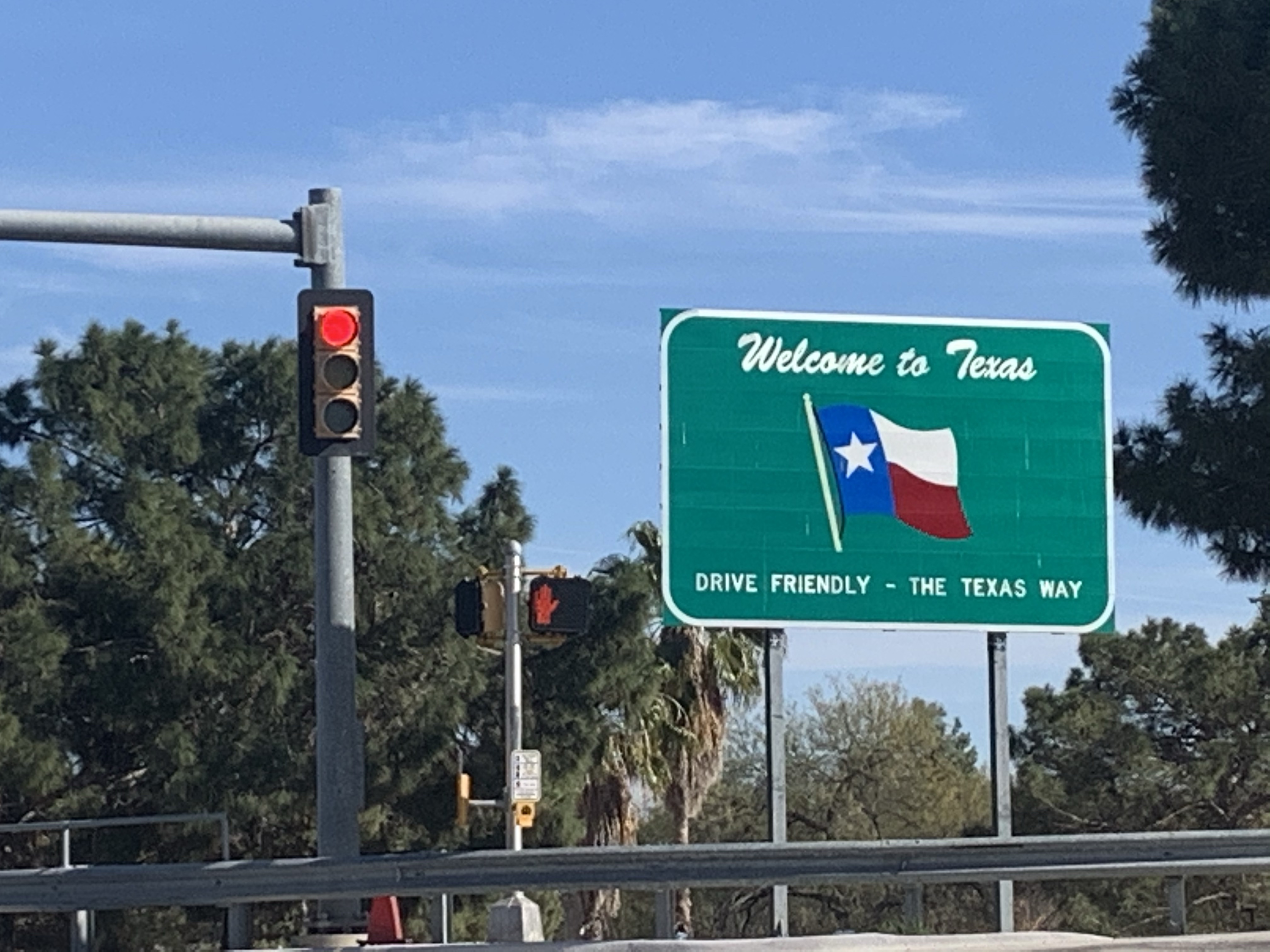
Nothing like a little culture to shake things up a bit. When I left, My son teasingly told me to check on the wall and report back.

I’m thankful that it only costs a tank of gas as it’s only 2.5 hours to the border.

If you’d like a referral for my dentist he does excellent work And in the last two years has save me Hundreds of dollars.

Dr Omar Antonio Berlanga Ibarra

He has a wonderful bedside manners and his English has improved greatly since I started going to him. He is self-taught. While I ashamedly have not improved my Spanish very much.

Isn’t that a fun way to spend $$$ on dental work? 

He works with precision and gentleness

Marble falls 

Whitening $138

Pick you up at border 

Just be sure and not try to bring back fruit or vegetables from Piedras Negras

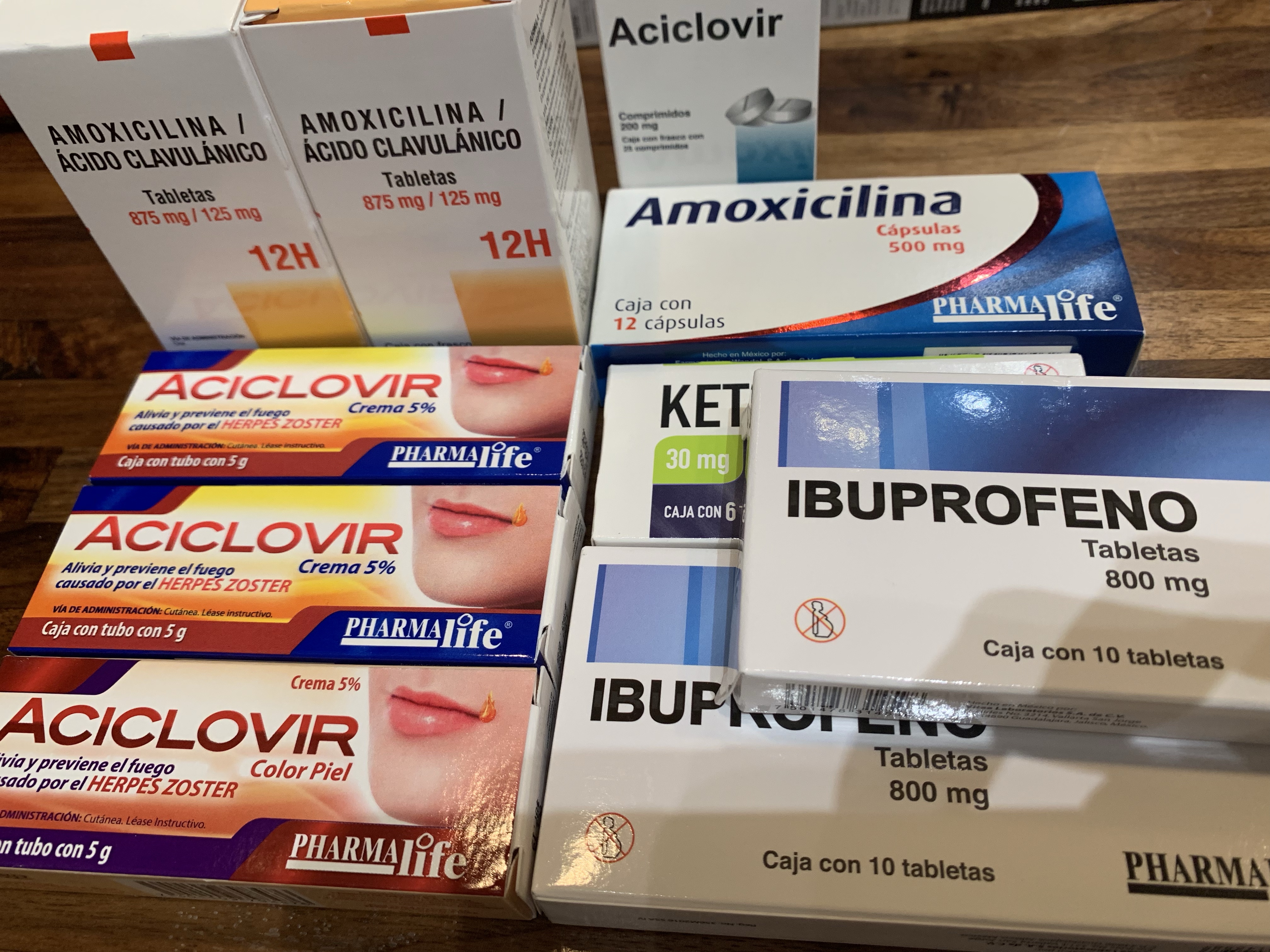
Another benefit is you can stock up on pharmaceutical needs for much less money.

It can be intimidating so if you want to hire a Bilingual escort who grew up in the very same city, but now lives near me, I have a contact.

When you walk into McDonald’s on the US side of the border and you’re the only white person in the whole restaurant and they call you señorita quite an adventure

About Bigelow Homes Success

Meet a hero of mine

https://www.bigelowhomes.com/downloads/nboty_article.pdf

Perry Bigelow: Founder, Professional Builder of the Year, 2005, the nation’s most prestigious homebuilding award.

He has worked on several projects with Habitat for Humanity as well as Homes for Hope. One of his T shirt mottos is “Building locally to eradicate poverty globally”. They work closely with Hope International to generate micro loans in third world countries. These micro loans are primarily used by mothers to expand a very small business in to a small business, increasing the household income to such a place that the children can now afford books to attend school (which is not paid for by their government). This mother can now afford to feed her family two meals a day vs. one. Hope International has a 98% repayment on loans. These mothers link arms with 6-7 other women in their village and promise not to let anyone’s loan to not be paid back, knowing they are all at risk of not getting more loans. They have given 20,000 loans and it has impacted almost 300,000 people in third world countries

Almost 40 Years of Success

  • 2019 Named #1 selling community in Kyle, Texas
  • 2010 Voted Austin’s Builder of the Year
  • 2009 “Best Address” feature article on Blanco River Village – Professional Builder Magazine
  • 2009 “Texas Home Pioneers Green Building Breakthroughs” feature article – Professional Builder Magazine
  • 2007 Crystal Key Award for Best Overall Community – Home Builders Association of Greater Chicago
  • 2007 Founding Member of the Advisory Panel for the National Forum on Children and Nature
  • 2007 Legacy Award- Championing Better Building Performance – Energy & Environmental Building Association
  • 82-2007 Many Key Awards For Architectural Design and Land Planning – HBAGC
  • 2005 Public Recognition Award for Town Center Park and Ravine Park – Illinois Chapter of the American Society of Landscape Architects
  • 2005 Builder of the Year – Professional Builder Magazine
  • 2005 Top 10 Eco-Communities in America – Organic Style Magazine
  • 2004 1st Annual Community Vision Award – HBAGC, MPC, ULIC
  • 2004 The First Recipient of the Crowbar Award – Hope International / Hope House
  • 2001 Energy Value Housing Award – Cold Region National Association of Home Builders
  • 1999 International Professional Service Award- Energy & Environmental Building Assoc.
  • 1998 Recognition for Outstanding Contributions to Conserving Natural Resources – North Cook County Soil and Water Conservation District
  • 1998 Smarter House for the Money, HomeTown’s Village Hall Plan- Professional Builder Magazine
  • 1997 Energy Value Award – National Association of Home Builders
  • 1995 Guest Speaker – Rocky Mountain Institute, U.S. Navy Housing Charrette, Washington DC
  • 1995 Best New Community – Chicago Sun-Times
  • 1994 Best Designed Townhome- Builder Magazine National Merit Award
  • 1994 Chicago’s Best Affordable New Home Community- Chicago Sun-Times
  • 1993 Best Energy-Efficient Home in the USA- Professional Builder Magazine
  • 1993 BALA Judge – Builder Magazine
  • 1993 Recognition for Community Design Innovation- Professional Builder Magazine
  • 1992-1993 Adjunct Professor of Housing and Urban Development Eastern College, Graduate School of Business
  • 1992 President Reagan’s Council on Sustainable Development
  • 1991-1998 Energy-Efficient House of the Year – Chicago Sun-Times 
  • 1991 U.S. Department of Energy Energy-Efficient Mortgage Collaborative
  • 1990 Energy for Buildings and Homes – Scientific American
  • 1990 Fannie Mae Midwest Regional Advisory Board
  • 1990 Chicagoland Builder of the Year (second time)- Chicago Sun-Times
  • 1989 Featured on This Old House & Home of the Year-Country Living Magazine
  • 1987 Professional Achievement Award for Energy-Efficiency Professional Builder Magazine
  • 1982 Featured on This Old House & Builder of the Year – Chicago Sun-Times

Downsizing Your Home: 3 Money Benefits

https://www.daveramsey.com/blog/3-money-smart-reasons-to-downsize

HOME SELLING

6 MINUTE READ

If you think moving up in life means buying a bigger home, it’s time to set the record straight. Most American families have plenty of room to downsize their home without cramping their style.

Consider the numbers: The average new single-family home comes in at over 2,600 square feet, according to the United States Census Bureau.(1) You may not think that’s all too big until you look back at history. The National Association of Realtors reports that the average home size in 1950 was 1,000 square feet or less—and families were bigger back then.(2,3) By those standards, today’s homeowners are living large!

Moving into a smaller home may feel like a step down, but a closer look reveals quite a few upsides: saving money, saving time and having less clutter in your life. Downsizing could be just the fresh start you and your family need!

How to Downsize the Right Way

Smaller mortgage payments and spending less time dusting those spare rooms may sound like a dream come true, but is downsizing really the right move for you? Before you head down the path toward downsizing, read on for some tips to ensure your downsizing-dream doesn’t become a costly mistake.

1. Think Long-Term

If you’re thinking about downsizing your house, planning ahead will help ensure your transition is a success. Do you need extra space for that freelance business you’re planning to start? Or were you left you with more than enough room to spare after the kids headed off to college? Only you know if you can spare that extra space or if losing it would be more of a headache than it’s worth! Find expert agents to help you sell your home.

2. Keep It Functional

Remember back in college when your entire life fit in that tiny dorm room? Somehow you had everything you needed within arm’s length. Though that may be far from practical these days, you can still benefit from cleaning out the clutter from those closets. Sell what you don’t need and take that money to the bank, baby! Or donate it to a local charity and get the added bonus of a tax benefit. Wouldn’t it be nice to have less to clean and more money in your pocket?

Think of all the fun you could have if you didn’t have to polish your miniature unicorn collection every weekend. You just might find a whole new world outside your door!

3. Consider Hidden Costs

Downsizing may save you money in those monthly mortgage payments, but what about the hidden costs? Does your home need any repairs to get it market-ready? What about your old furniture and appliances—will they fit into the smaller place, or do you need to bump up that budget for more space-efficient pieces?

And don’t forget to take into account the cost of moving, property taxes, storage, or even higher HOA fees. When it comes down to decision time, you may find that taking that leap to a smaller space will save you BIG time—or that you can save just by staying right where you are.

4. Focus on the Big Picture

Downsizing your square footage might mean your family has to gather around one TV at night instead of spreading out across three or four different rooms (Gasp!). But is more time with the ones you love really all that bad? It just might be the kick in the pants you need to spend quality time together!

Financial Benefits of Downsizing

Still not convinced? Then it’s time to bring out the big guns and talk money. What if you reduced your mortgage by $500 a month and put that cash toward other financial goals? Check out three strides you could make:

1. Attack Your Debt Snowball

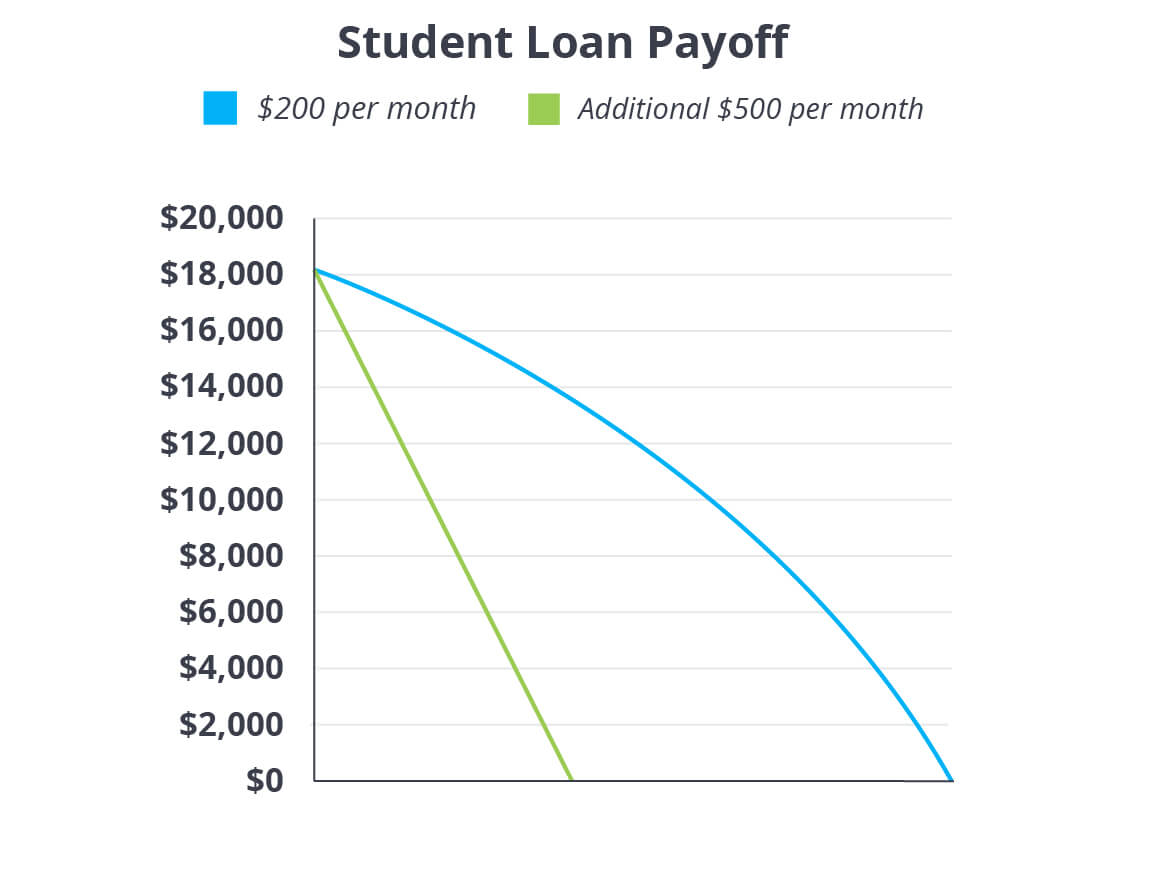
If you’re working hard to kick debt to the curb, downsizing your home can help you maintain that gazelle intensity. Let’s say you owe $18,000 on your student loan. With a 6% interest rate and a minimum payment of $200 a month, you’ll be paying on that loan for 10 more years!

But throw an additional $500 at your loan each month, and you’d trim a whopping seven years and eight months off your pay-off date. Sallie Mae will have to find a new place to live, because you’ll be free from student debt in less than two-and-a-half years!

2. Boost Your Retirement Fund

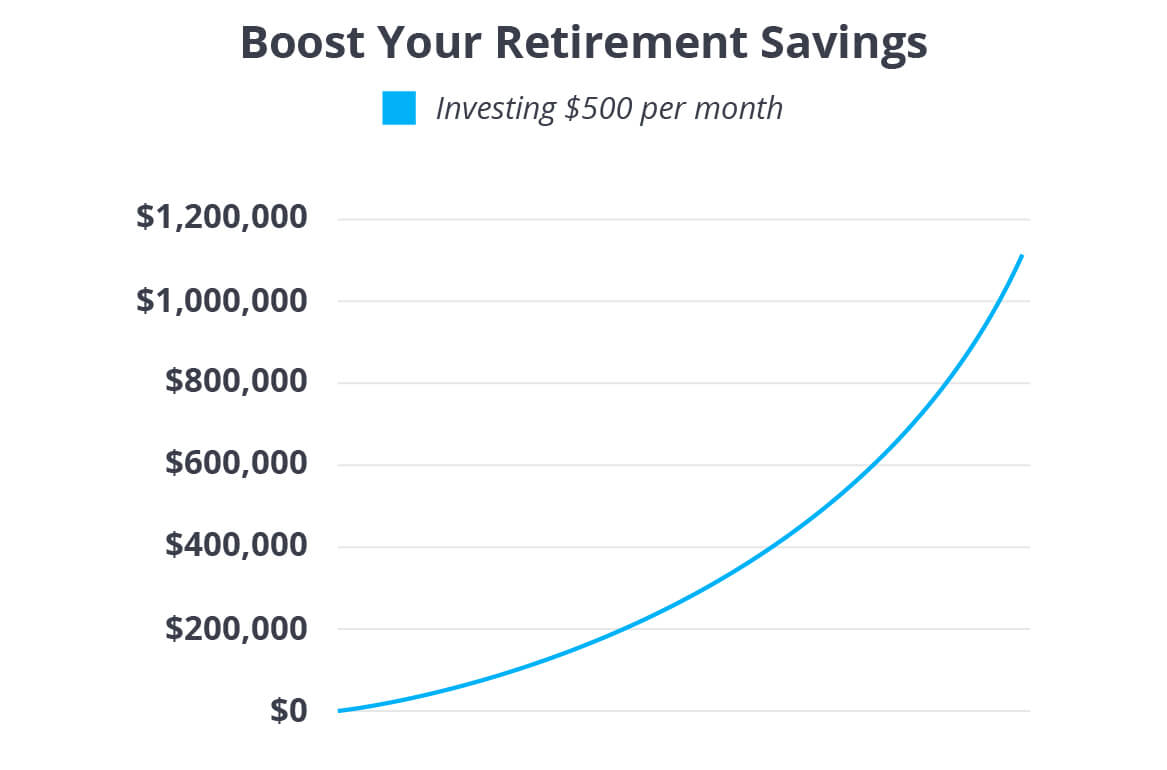
Once you’re debt-free with a fully funded emergency fund, it’s time to build wealth for the future. Dave recommends investing 15% of your household income into Roth IRAs and pretax retirement plans. If you’re still working your way up to 15%, that extra $500 could be the push you need to get there. And, boy, the difference $500 could make! In 30 years, you could have an additional $1–1.6 million in the bank to get you through your golden years. You can do a lot of living and giving with that nest egg!

3. Pay Off Your Mortgage

Want to downsize Dave’s way? Trade in your mortgage for a paid-off home! Use the proceeds from selling your current home to pay cash for a smaller one. Just imagine what you could do with no mortgage holding you down!

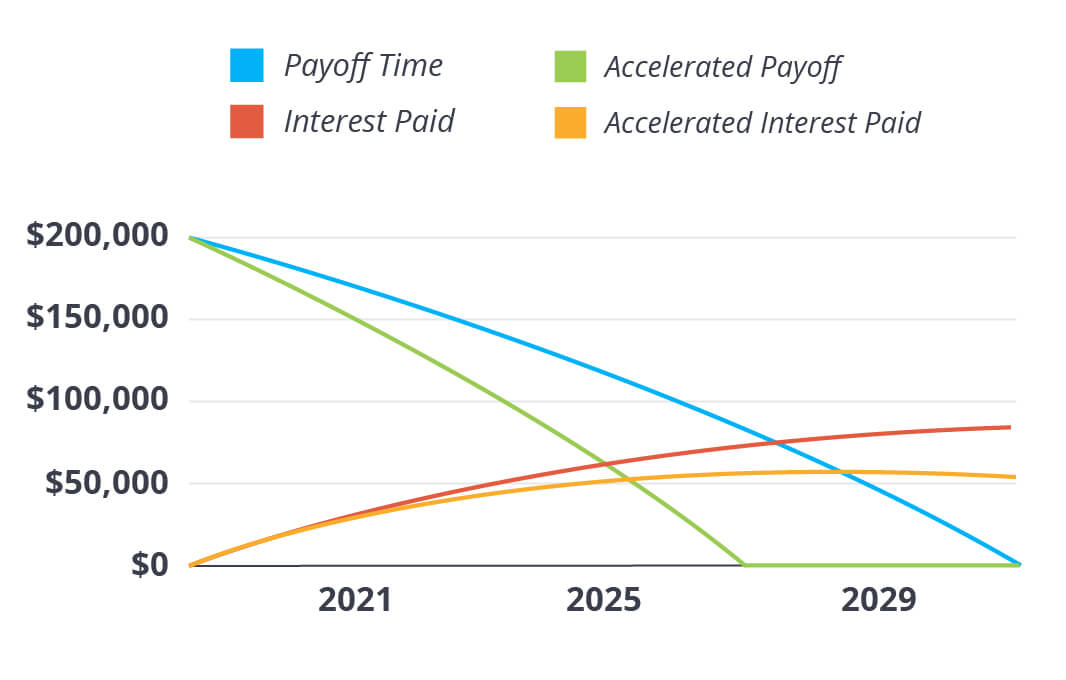
If you can’t pay cash, aim for a 15-year, fixed-rate mortgage and put at least 10–20% down on your new home. Apply the $500 you saved from downsizing to your new monthly payment. At 4.5% interest, you could pay off a $200,000 mortgage in less than 10.5 years, saving almost $25,278 in the process. Cha-ching!

Use our full mortage payoff calculator to see how quickly you can pay off your house!

Ready to Downsize? We’ll Show You Where to Start.

Downsizing might not make sense in every situation, but it’s worth a look if saving money and simplifying life appeal to you. Ask an experienced real estate agent to help you determine what your home is worth and show you options for cutting costs. A true pro knows what it takes to get top dollar for your current home and negotiate the best deal on a new one. Ready to downsize but don’t know where to start? We can put you in touch with a real estate agent who Dave recommends in your area.

The Joys of Downsizing: tiny tips with Shari

By Shari Snyder, Hill Country Tiny Houses

SO you want to downsize?  

Maybe you want to “go tiny” or maybe you just want to clear some space in your head and enjoy a simple life with less stress.  I like to say, “Downsizing is the art of reducing clutter in your environment to enhance your performance mentally, emotionally and physically.”

The most important thing is to get a clear handle on WHY you’re doing this.  Focusing on the joys and benefits will keep you true to the end of the task.  Will the tradeoff be worth it?  Will the peace of mind you gain be worth saying goodbye to some old memories and possibly some things that feel like “friends” to you like old books?  This is an emotional game and to win, you must be ready to take this leap. Take time to overcome your fears to get where you want to be.  

Shrink your “todo” list, NOT your free time! 

One of our clients relates the story about the day she decided to “go tiny” after her husband had been on board for a while.  One Saturday morning, at breakfast, they went over the ‘to do’ list for the day.  So much was related to the 3,000 square foot house they lived in with their 2 small boys.  The wife said, “All I want to do is take the boys to the zoo today.”  to which her husband replied, “If we lived in a tiny house, that would be the only thing on this ‘to do’ list today.”  Will the joy of more time doing what you love and with whom you love be your motivation?

Reduce your stuff to reduce your stress

Another client we interviewed on WHY they want to go tiny replied, “So we won’t keep collecting more stuff”.  They recognized that stuff was not making their life better or their family stronger and their solution was to downsize from a 4 bedroom 3 bath house to a 394 sq ft tiny house.  Will the joy of less stress motivate you to get rid of your stuff?

Does this bring me Joy?

The best advice I got when I decided to go tiny was:  “Don’t ask yourself: ‘Can I live without this?’  Instead, Ask:  ’Do I need this to live?’”  

In each room of my 2200 sq ft house, if I did not need the item to live, my next question was: “Does this item bring bring me joy?”  If yes, then I put it in a separate area for the next few weeks.  I worked on one room at a time.  After I packed up the rest of that room, I took it to the salvation army (I’m opposed to Goodwill where only 10% of my donations help the needy).  I reserved only the most valuable items to sell.  When I left the salvation army, I felt loads lighter and the reward motivated me to want to do it again and again.  I became addicted to downsizing.  I repeated this process in each room twice in about 6 months.  I ended up with 5 boxes/separated spaces:

1.  Storage

2.  Give away 

3.  Sell

4.  “Brings me joy” 

5.  Tiny house (These items usually stayed right in that room til I moved) 

I also liked the idea of my “give away” boxes staying in the garage for 2-3 months just in case I found I missed that item in my every day routines. In the end, I sorted through the boxes one last time before I made a final decision to keep or give away including my “brings me joy” box.

It’s also important to set up boundaries to protect yourself from ending up at this same place 12 months from now. If you’re not downsizing your home, how will you ensure you keep the clutter out?

1. Must change your buying habits. To do this, you have to change your mindset.

2. Ask yourself before a purchase, “How will this

own your stuff or your stuff owns you

less stress

more space in your head

TRAVEL AND WORK? CAN IT BE DONE?

Yes, my friend, we will travel again one day soon!!  

One big question I get asked is: “how can I travel with my tiny house and work on the road?” I thought I’d share with you some of the options I’ve found:

  1. A wellness company with a generous compensation plan that also saves you money every month with products that are healthier and more economical. Honestly, the residual income for the last 17 years has pulled our family out of hard times more than once. Our online video system allows me to use my phone and work from anywhere in the world on my own schedule. In 2019, I took 5 business/pleasure trips with friends in different parts of the country, used them as a tax deduction, and grew my residual income. I also took a 12-day vacation with Todd in our tiny house at the beach, did no work, and had a consistent paycheck when I came home.
  2. Start your own business – we all have hobbies or activities we are exceptionally good at. With hard work and some business acumen you could turn those hobbies into a business and work from your tiny home from all of the places you’ve always wanted to visit. For example, our daughter has started her own company, Sapphire Social Co., offering web design, logo design, and marketing services. This allows her to spend time with family, travel, and make her own schedule.
  3. Here’s an article from Forbes Magazine outlining the 10 best jobs working from home for some more ideas.

In such uncertain times as these, it’s never bad to have a back up plan or a side hustle that can make a difference. If you have any questions please feel free to reach out.

WHAT’S THE REAL TINY ADVANTAGE?

Not too long ago we were asked, “what is the most compelling pitch you can give us to move to the Tiny House concept?” Posed via Facebook Messenger by an empty nester couple, it really made me stop and think. 

My reply was simple: to gain financial and time freedom. There’s nothing like the feeling of having no mortgage, no credit card debt, and ridding yourself of all the “stuff” that’s been stealing your time and money for the past several decades. These things added no value to the quality of your life and in some cases made it less enjoyable.

I am so grateful for the changes I’ve made and seen in my life since our family transitioned into a tiny house. My relationships are stronger and more fulfilling, I travel more, live debt-free, and have more time for hobbies and fun! Life is just too short to put off doing what makes you feel alive! 

It’s a great time to downsize! Since you’re quarantined to your home, why not begin to downsize? 

Our Magic of Minimalism Course via live video has almost ended, but for $27, you can get in before the price doubles and start with Module 1 and work through to Module 5 available now. The last two will soon be uploaded. The link is www.magicofminimalism.thinkific.com