WHAT ONE THING WILL CLEANSE, DETOX, NOURISH AND HELP HEAL MY GUT? And help my heart and weight loss efforts?
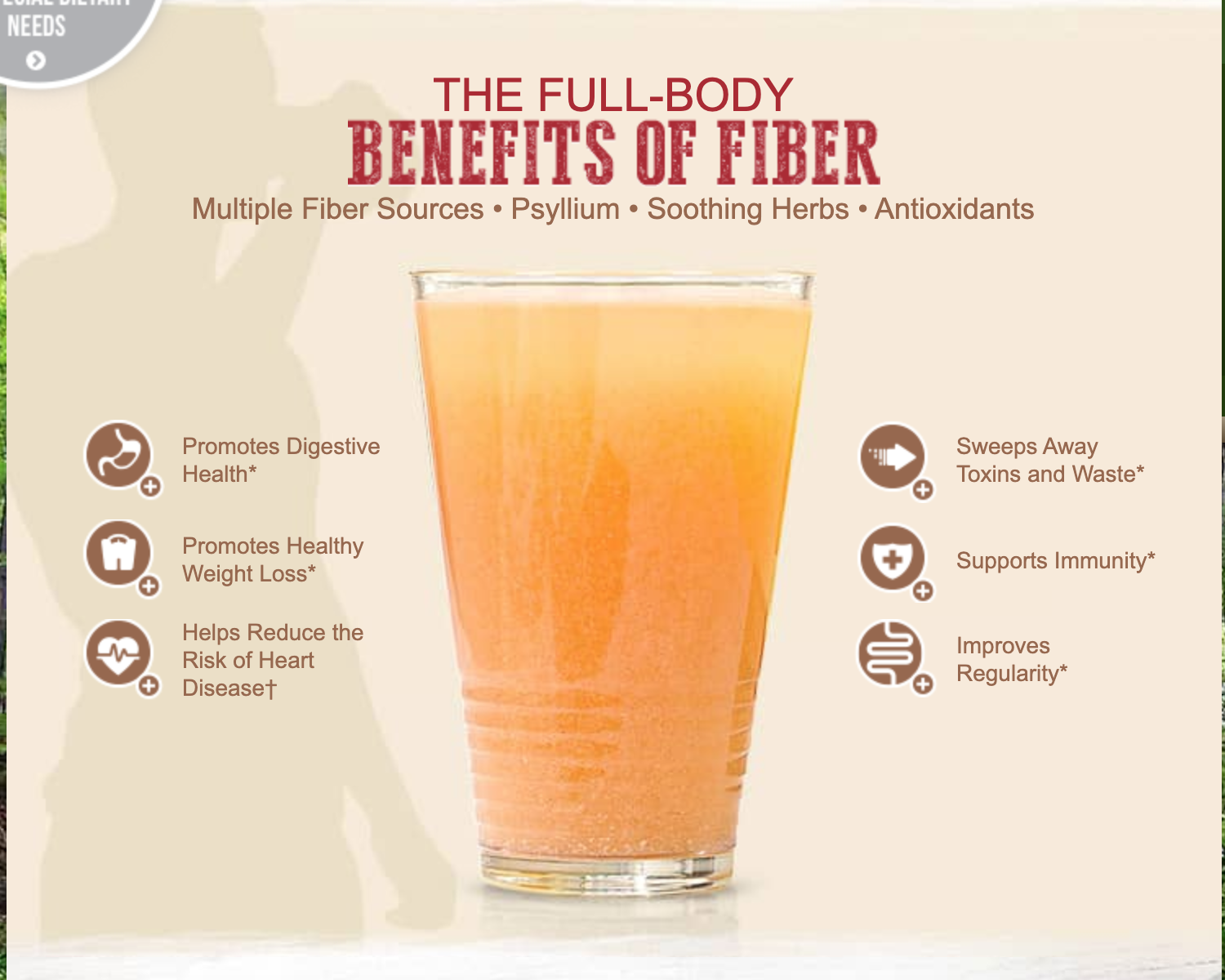
Benefits: 1. Digestion support. 2. Weight loss support. 3. Heart health
How is it better than Metamucil and the market competition?
1. Proprietary blend of herbs, vitamins and antioxidants facilitate long term healing, not just short term relief
2. Gentle elimination process.
3. Absorbs fat and cholesterol.
4. Detoxes the organs and blood stream by pulling it into the digestive tract and moving it out of the body.
5. Price for value is really great!
6. Sugar free!
Years ago, I heard a phrase, “Death begins in the colon”. It stuck with me and if your digestive system is happy and clean, the other organs are not stressed out trying to do the job of the colon. “Death begins in the colon”. Fiberwise is like a toothbrush for your colon. Use it daily!!
UNPLUG, DISCONNECT, REAP THE REWARDS OF QUIETING YOUR SOUL
If you remember on August 10, I announced that I’d be taking a 6-week social media sabbatical to rest and focus on personal growth. Today is September 11. I have two more weeks and look forward to huge breakthroughs in all areas. Note: I did check messages twice a week and re-post a few articles during this time and a few photos of my trip. I paid attention when my sister posted photos of her new baby and that’s about it! I did not spend time scrolling my newsfeeds, stories, or creating new posts, etc. BIG SHOCKER: I survived and so did the rest of the world, LOL!
A FEW BENEFITS:
Getting the “noise” of social media out of my head resulted in the below heartfelt resolution. I also did an unexpected 7-day fast from food during this time that brought so much freedom in my unhealthy food addictions (I drank liquids during the day and ate one meal in the evening). My digestive tract was so inflamed and bloated with acid reflux day and night, causing me pain and discomfort. I am adding CBD oil as well and feel much better.
Monday, I started a 30-day R3 weight loss plan of no sugar, flour or alcohol and joined Camp Gladiator, a kick-butt team fun workout! Check one out in your city.
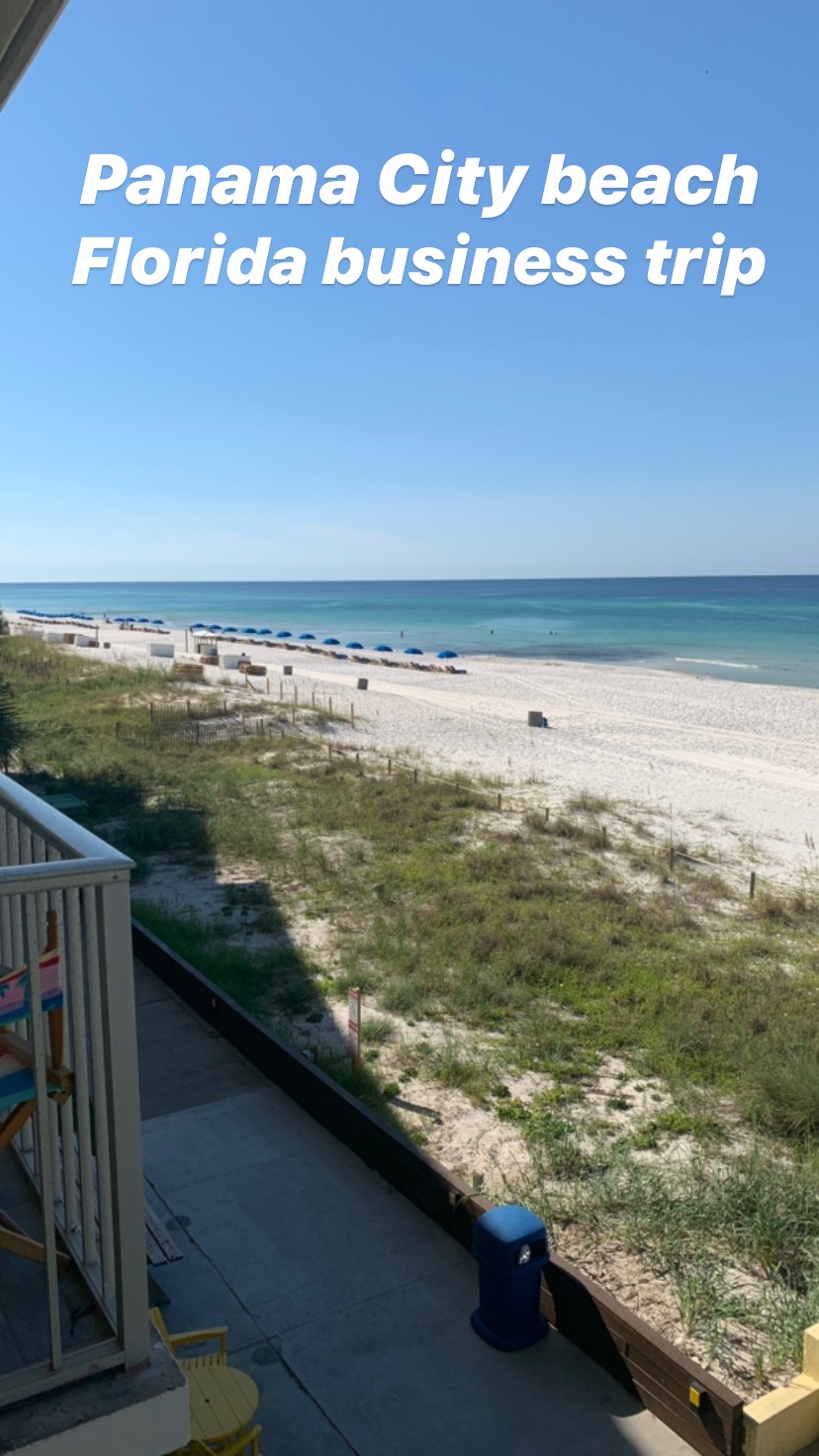
I also had the unexpected blessing of taking a 3 week business trip/vacation. I flew to Indianapolis to train a dear friend who is a Nurse Practitioner, how to start her own wellness business. My friend of 13 years, was moving from Minnesota during that time. She sold almost all her belongings in her 3 bedroom condo, said goodbye to her son who just graduated, left behind all she’d known her entire life, and packed up her car with the necessities for a brave adventure moving to Florida for a fresh start in career and life. She has invented an amazing new light touch technology for a woman’s shave club that will be wildly successful! See www.littleacornshave.co.
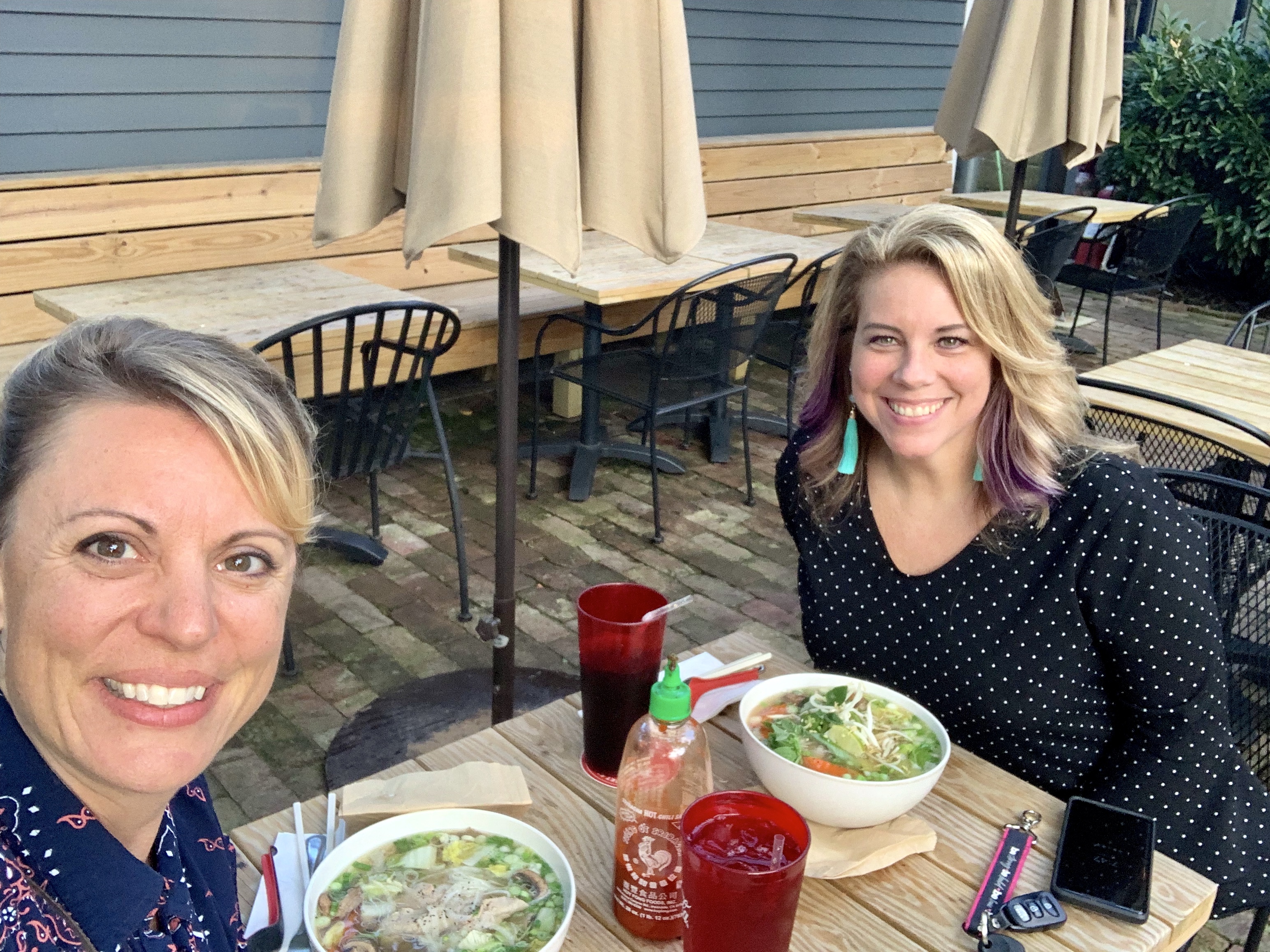
Tracy picked me up in Indiana and I took the rest of the road trip with her, stopping at AirBnB’s in Kentucky, Alabama, Panama City Beach, with a final destination in Clearwater, Florida. She introduced me to Pho, a Vietnamese cuisine and my life will never be the same! We spent days at the beach, bonded, made lifetime memories, laughed until our sides hurt, made new friends, got acquainted with her new surroundings, and I got to meet her amazing business partners who live there and own Pitch Media company. My trip was cut short due to Andrew, our son, having an emergency surgery. He’s fine, it’s of a delicate nature though.
After four weeks of my sabbatical, I feel like someone cleared the cobwebs out of my brain and I am thinking more clearly and at a much higher level spiritually and professionally for my career and interpersonal relationships.
My Resolution after many trials, heartaches, crushed dreams, financial losses, broken relationships, and dark days the last two and a half years:
“I am a beautiful broken MESS and God is using my past and present circumstances to better my future and bring Himself GLORY that will turn hearts to seek Him as they see the beauty He brings out of ashes in my own life!”
I keep thinking of the verse, “When you pass through the fire, it shall not burn you. When you walk through the waters, they shall not overtake you.” I can attest to the truth of this!
I have cried buckets of tears, had a crisis of faith, been very mad at God, my husband, and the enemy. I have repented and forgiven and I am free and healing every day as I seek to know true intimacy with the Father and hold His hand, letting Him guide my next step, not having to know the answers to all my questions or the future. As a futuristic visionary, this is a huge growth for me.
My theme song during these dark days:
The President of the wellness company I have represented for almost 17 years is a man I greatly respect and he taught me the following:
What is a “GRACE CARD”? a lifetime pass of forgiveness and love no matter what you do in the future and no matter what you have done in the past. I won’t surrender my power to anyone! I choose to forgive! I choose to be powerful! Who is with me???
“When you don’t move the mountains I’m needing you to move, when you don’t part the waters I wish I could walk through, when you don’t give the answers as I cry out to you, I will trust in you!”
If you are considering a social media sabbatical and want some encouragement and accountability, please reach out to me! It’s a very brave and scary thing to do, but oh so worth it!
In an unprecedented study, PhD student Maria Saxton looked at 80 people who downsized to tiny homes to quantify whether their environmental footprints really got smaller.
Interest is surging in tiny homes—livable dwelling units that typically measure under 400 square feet. Much of this interest is driven by media coverage that claims that living in tiny homes is good for the planet.
It may seem intuitively obvious that downsizing to a tiny home would reduce one’s environmental impact, since it means occupying a much smaller space and consuming fewer resources. But little research has been done to actually measure how people’s environmental behaviors change when they make this drastic move.
For my doctorate in environmental design and planning, I sought to fill this gap in knowledge by developing a study that could provide measurable evidence on how downsizing influences environmental impacts. First I surveyed 80 downsizers who had lived in tiny homes for a year or more, to calculate their ecological footprints in prior housing and current ecological footprints in their tiny houses. Then I conducted nine in-depth interviews to learn about behaviors that changed after downsizing.
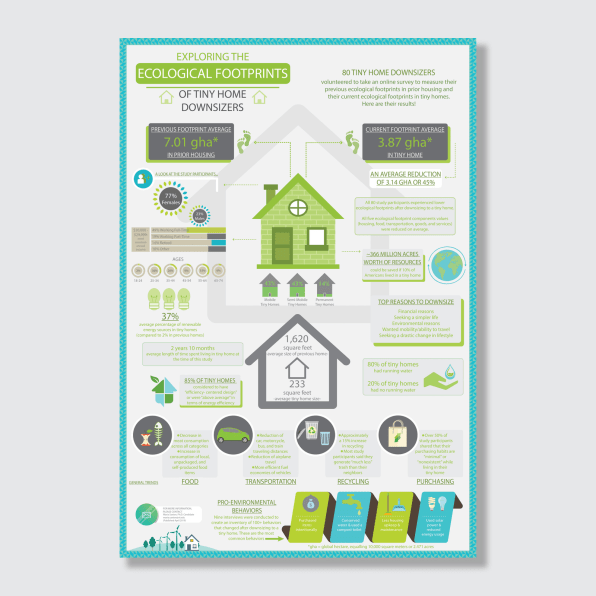
I found that among 80 tiny home downsizers located across the United States, ecological footprints were reduced by about 45% on average. Surprisingly, I found that downsizing can influence many parts of one’s lifestyle and reduce impacts on the environment in unexpected ways.
THE UNSUSTAINABLE U.S. HOUSING MODEL
In recent decades, the building trend has been to “go big.” Newly constructed homes in the United States generally have a larger average square footage than in any other country in the world.
In 1973, the average newly constructed U.S. home measured 1,660 square feet. By 2017, that average had increased to 2,631 square feet—a 63% increase. This growth has harmed the environment in many ways, including loss of green space, increased air pollution and energy consumption, and ecosystem fragmentation, which can reduce biodiversity.
The concept of minimalist living has existed for centuries, but the modern tiny house movement became a trend only in the early 2000s, when one of the first tiny home building companies was founded. Tiny homes are an innovative housing approach that can reduce building material waste and excessive consumption. There is no universal definition for a tiny home, but they generally are small, efficient spaces that value quality over quantity.
People choose to downsize to tiny homes for many reasons. They may include living a more environmentally friendly lifestyle, simplifying their lives and possessions, becoming more mobile, or achieving financial freedom, since tiny homes typically cost significantly less than the average American home.
Many assessments of the tiny-house movement have asserted without quantitative evidence that individuals who downsize to tiny homes will have a significantly lower environmental impact. On the other hand, some reviews hint that tiny home living may lend itself to unsustainable practices.
UNDERSTANDING FOOTPRINT CHANGES AFTER DOWNSIZING
This study examined tiny home downsizers’ environmental impacts by measuring their individual ecological footprints. This metric calculates human demand on nature by providing a measurement of land needed to sustain current consumption behaviors.
To do this, I calculated their spatial footprints in terms of global hectares, considering housing, transportation, food, goods, and services. For reference, one global hectare is equivalent to about 2.5 acres, or about the size of a single soccer field.
I found that among 80 tiny home downsizers located across the United States, the average ecological footprint was 3.87 global hectares, or about 9.5 acres. This means that it would require 9.5 acres to support that person’s lifestyle for one year. Before moving into tiny homes, these respondents’ average footprint was 7.01 global hectares (17.3 acres). For comparison, the average American’s footprint is 8.4 global hectares, or 20.8 acres.
My most interesting finding was that housing was not the only component of participants’ ecological footprints that changed. On average, every major component of downsizers’ lifestyles, including food, transportation, and consumption of goods and services, was positively influenced.
As a whole, I found that after downsizing, people were more likely to eat less energy-intensive food products and adopt more environmentally conscious eating habits, such as eating more locally and growing more of their own food. Participants traveled less by car, motorcycle, bus, train, and airplane, and drove more fuel-efficient cars than they did before downsizing.
They also purchased substantially fewer items, recycled more plastic and paper, and generated less trash. In sum, I found that downsizing was an important step toward reducing ecological footprints and encouraging pro-environmental behaviors.
To take these findings a step farther, I was able to use footprint data to calculate how many resources could potentially be saved if a small portion of Americans downsized. I found that about 366 million acres of biologically productive land could be saved if just 10% of Americans downsized to a tiny home.
FINE-TUNING FOOTPRINT ANALYSES
My research identified more than 100 behaviors that changed after downsizing to a tiny home. Approximately 86% had a positive impact, while the rest were negative.
Some choices, such as harvesting rainwater, adopting a capsule wardrobe approach, and carpooling, reduced individual environmental impacts. Others could potentially expand people’s footprints—for example, traveling more and eating out more often.
A handful of negative behaviors were not representative of all participants in the study but still are important to discuss. For instance, some participants drove longer distances after moving to rural areas where their tiny homes could be parked. Others ate out more often because they had smaller kitchens, or recycled less because they lacked space to store recyclables and had less access to curbside recycling services.
It is important to identify these behaviors in order to understand potential negative implications of tiny home living and enable designers to address them. It is also important to note that some behaviors I recorded could have been influenced by factors other than downsizing to a tiny home. For instance, some people might have reduced their car travel because they had recently retired.
Nonetheless, all participants in this study reduced their footprints by downsizing to tiny homes, even if they did not downsize for environmental reasons. This indicates that downsizing leads people to adopt behaviors that are better for the environment. These findings provide important insights for the sustainable housing industry and implications for future research on tiny homes.
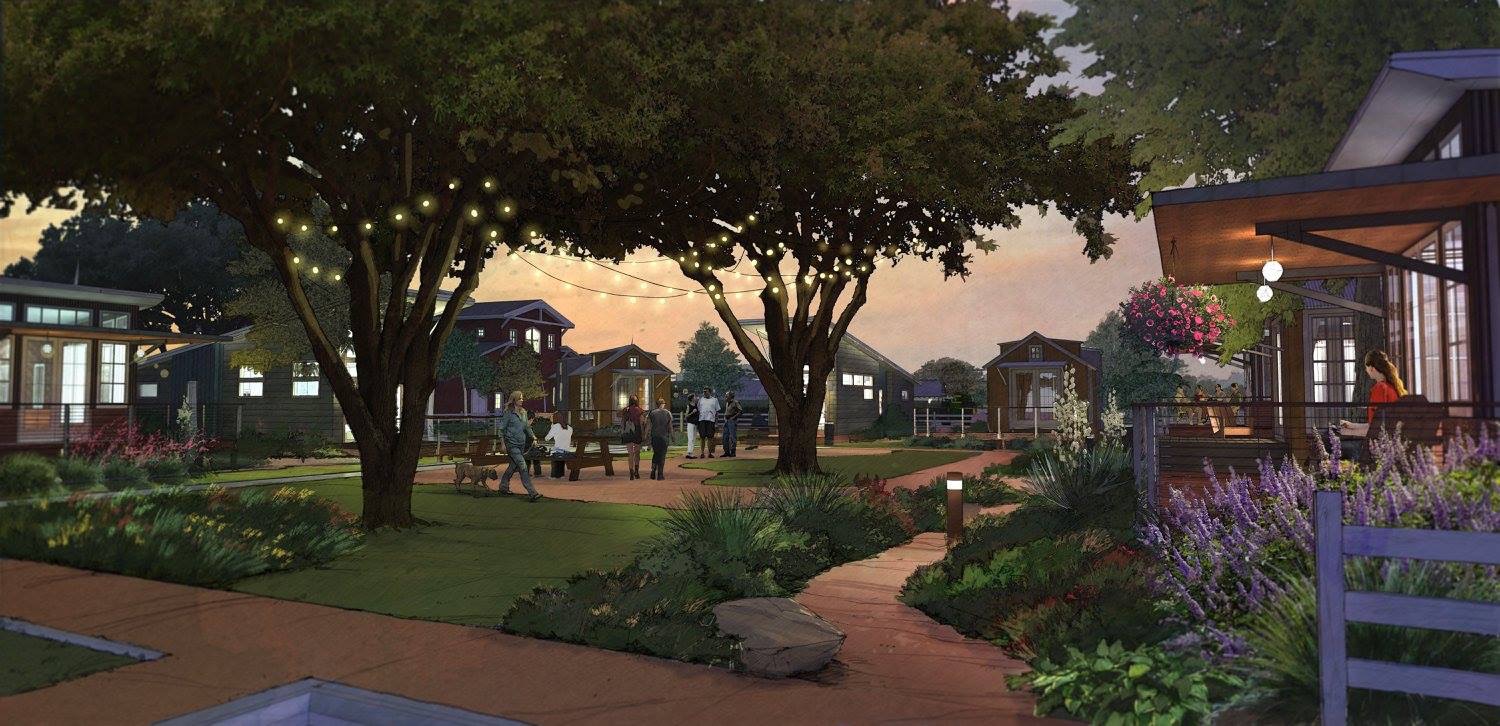
For instance, someone may be able to present this study to a planning commission office in their town to show how and why tiny homes are a sustainable housing approach. These results have the potential to also support tiny home builders and designers, people who want to create tiny home communities, and others trying to change zoning ordinances in their towns to support tiny homes. I hope this work will spur additional research that produces more affordable and sustainable housing choices for more Americans.
Maria Saxton is a PhD Candidate in Environmental Planning and Design at Virginia Tech. This post originally appeared on The Conversation.
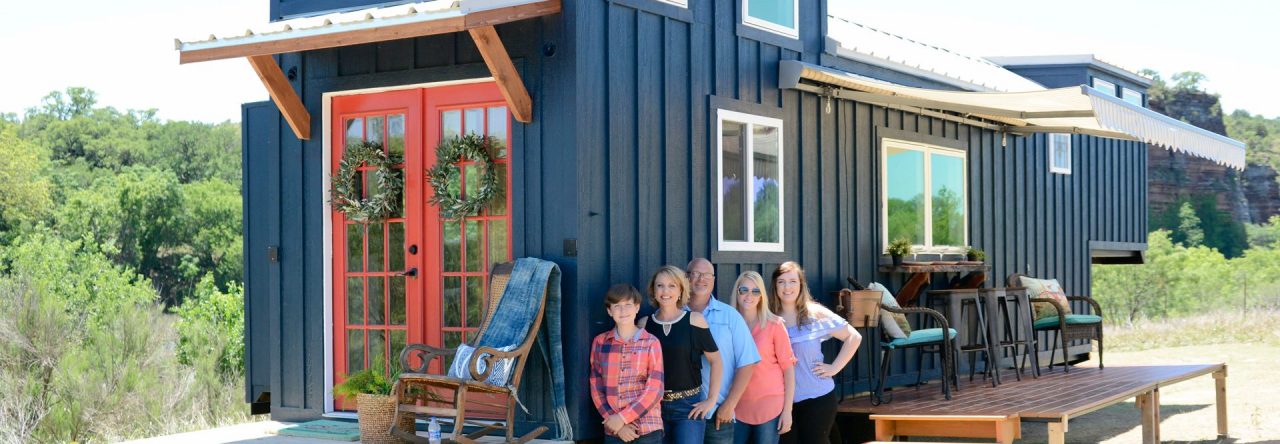
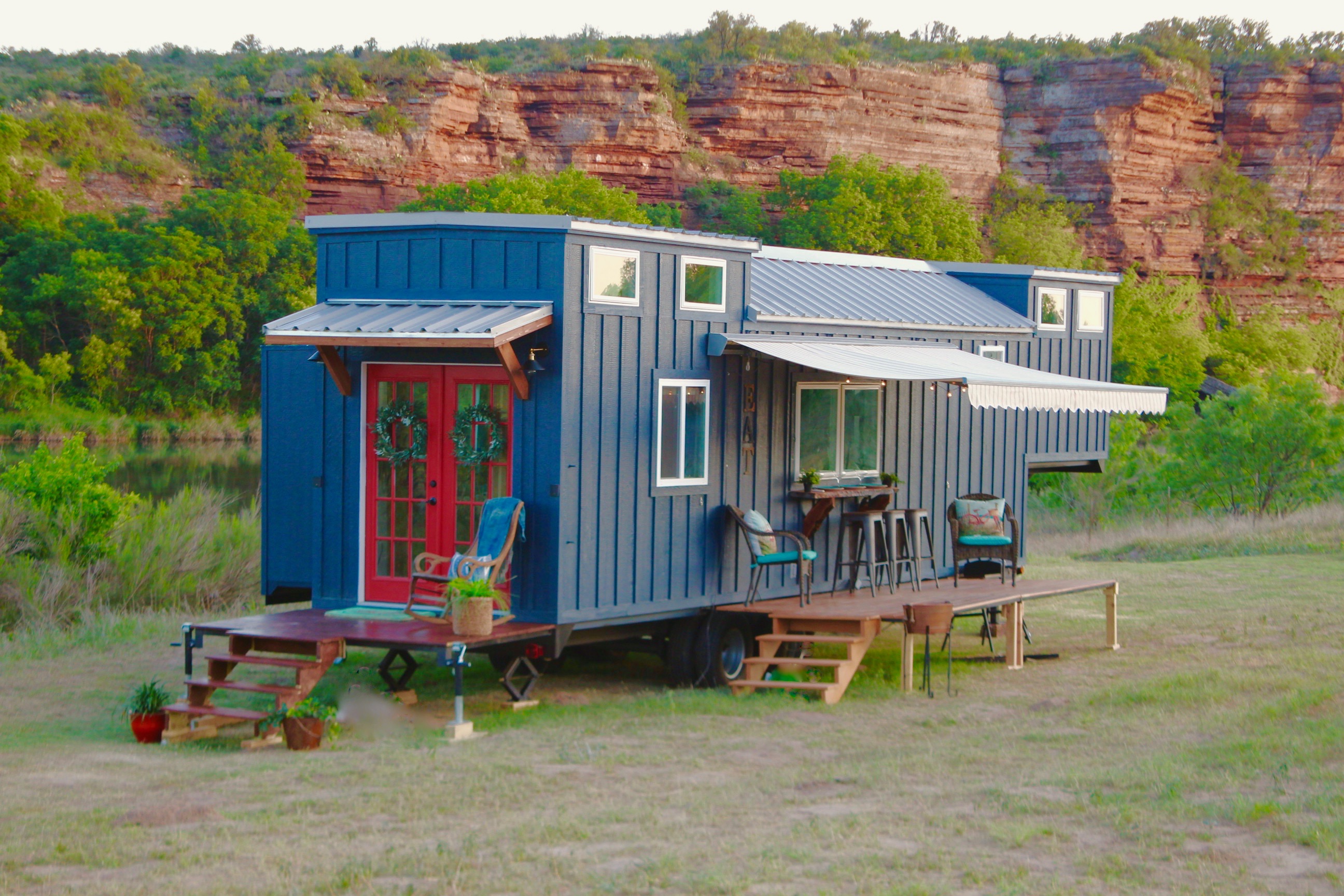
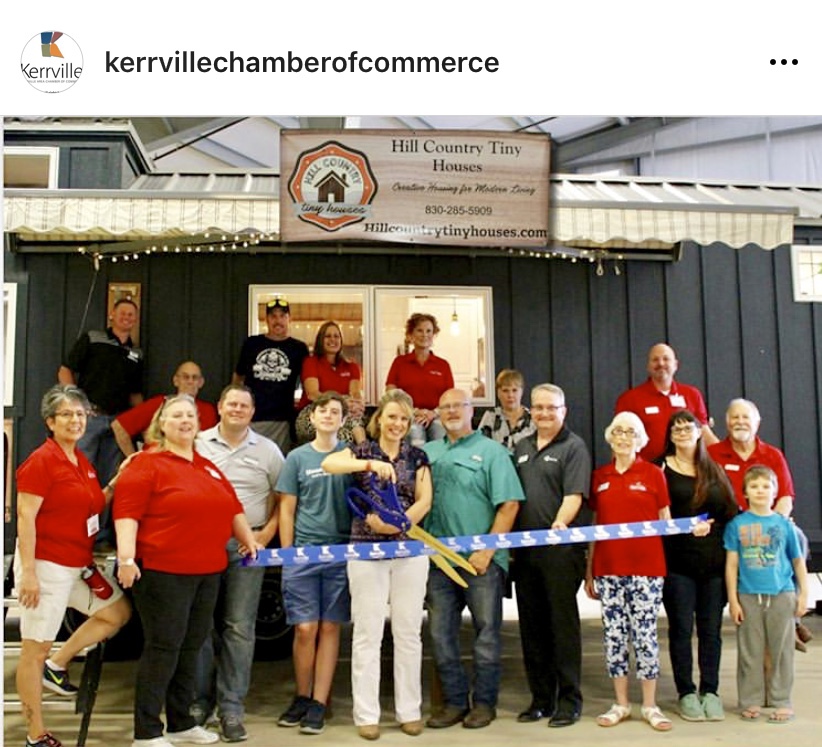
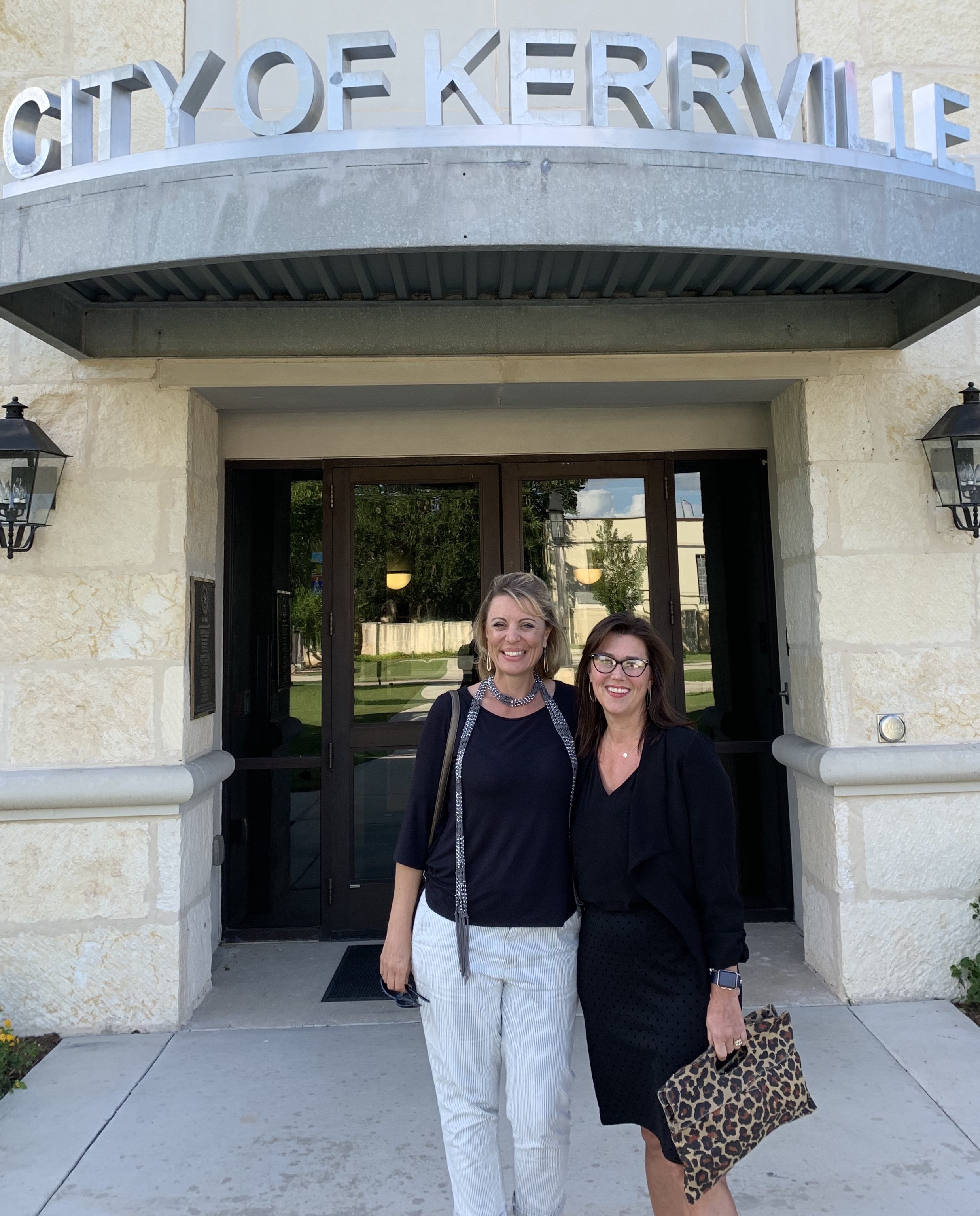
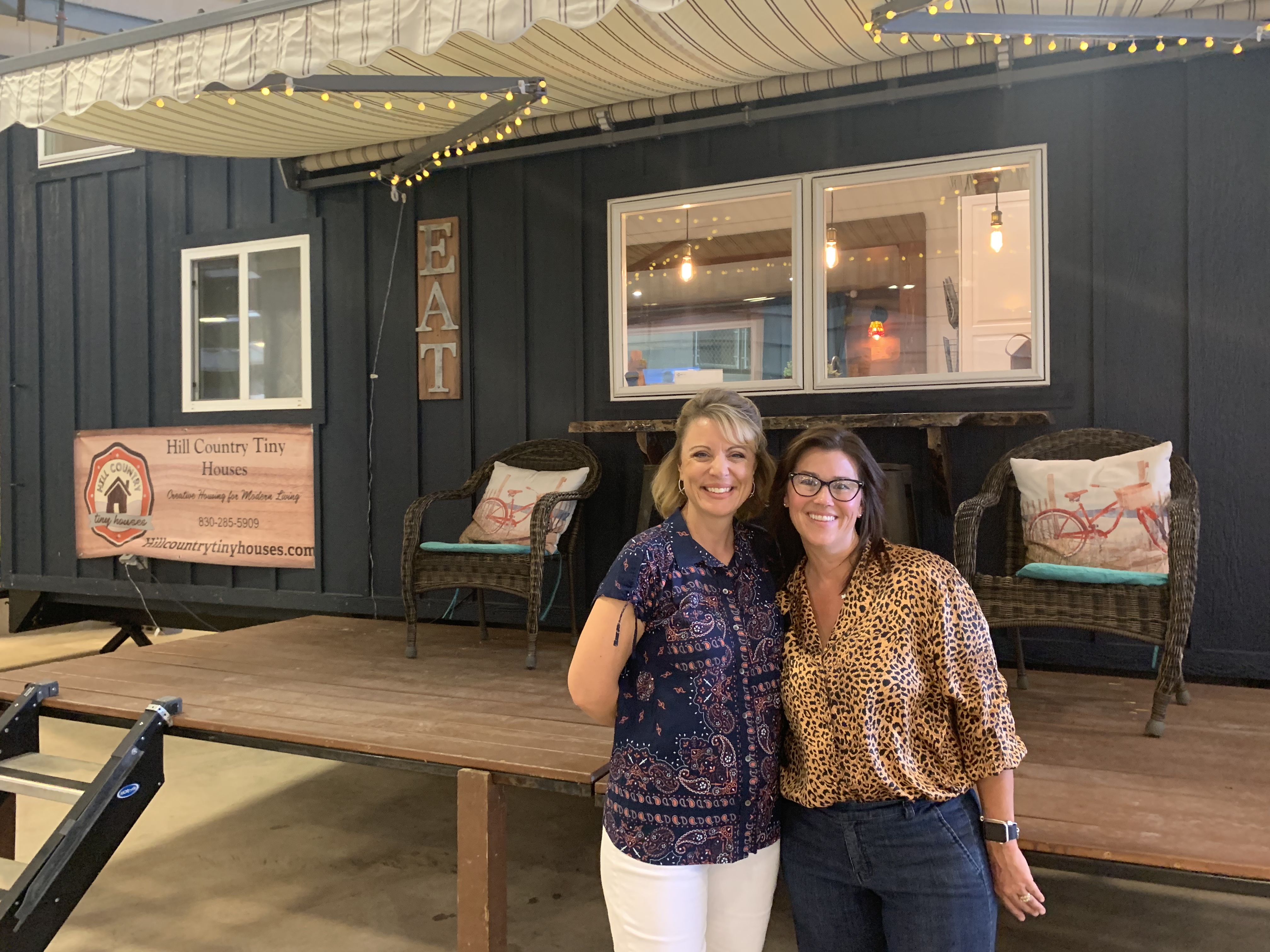
Thanks to the Chamber of Commmerce in Kerrville, TX, for hosting our Ribbon cutting ceremony at the Annual Chamber Small Business Expo last Saturday at our HGTV tiny home, the Bohemian Bungalow.
How do you know you’ve hit the level of “expert” in your field?
Maybe when the Mayor, top commercial realtor, and president of a local bank are asking you the temperature and projection of the tiny house market?
I would say it takes about 10 years to become an expert; the unique thing about this industry is there’s not really a 10-year record to draw from so after just 2-3 years, you can be considered an “expert”.
Never did I dream I’d be studying and talking politics, that’s for sure!
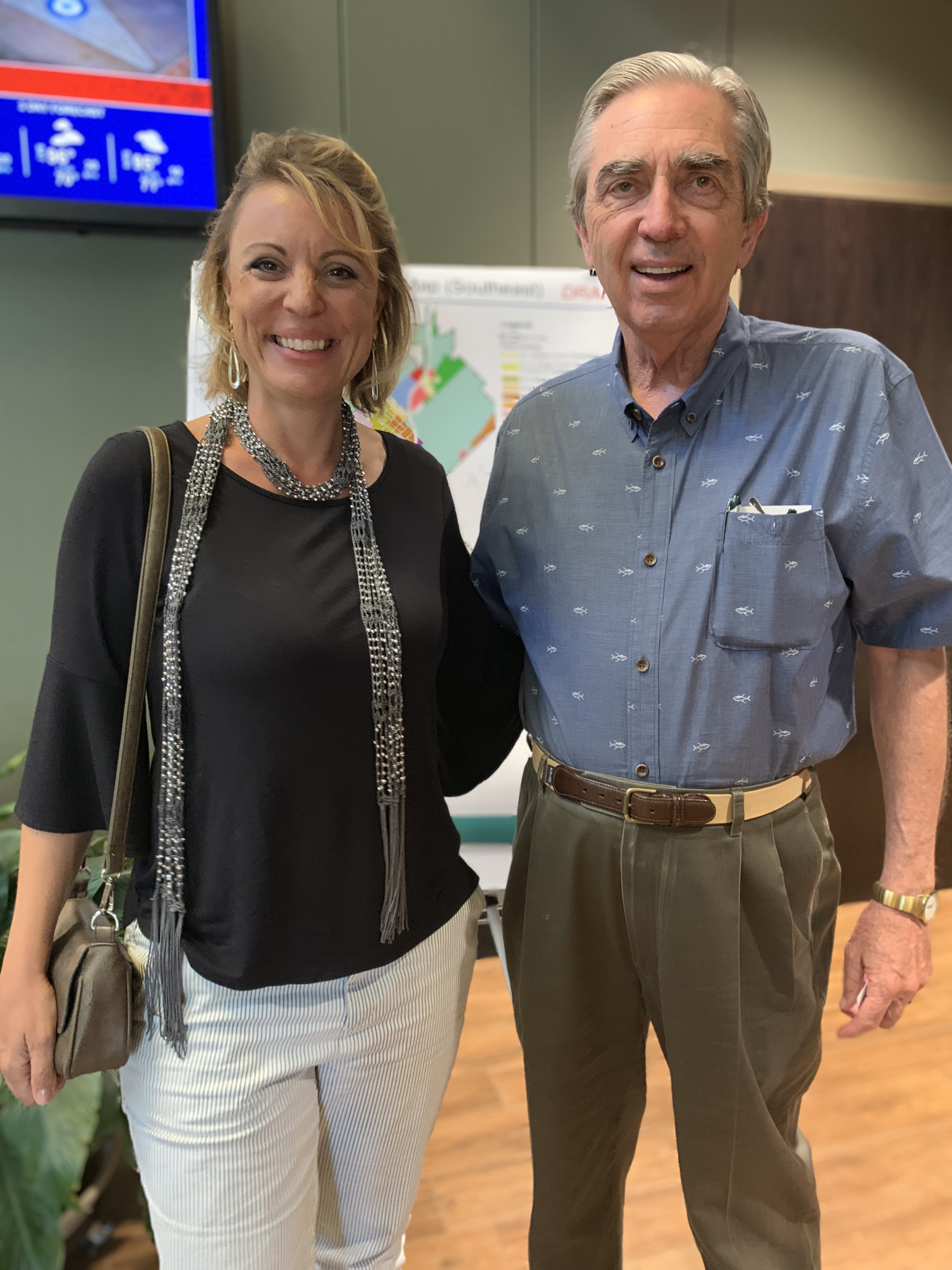
Last week, there was a city council meeting to discuss the final draft of the 2050 comprehensive plan for Kerrville. I presented to the council the request that they legalize tiny houses in the city limits and for back yards to help with the affordable housing crises. Adopting Appendix Q of the IRC 2018 building code will reduce lot and home sizes, allowing for more freedom and higher density. I didn’t know it at the time, but Mayor Blackburn was in the audience and followed me out to introduce himself and let me know we have his support!
We still have a long way to go nationwide, but we are making progress!
Imagine spending 3 days learning more about Intentional Communities and what they can mean for our society? Join us for a 3-day workshop hosted by Twin Oaks Communities for only $100.
Vision – Through cooperation and sharing, all people are living lives that are socially satisfying and economically secure while also being ecologically sustainable. Mission – To demonstrate a satisfying experience of community and provide opportunities to create, develop, and learn about intentional communities. What do we mean by community? A community is a network of social and economic relationships and the places where those relationships interact. How do we define intentional community? An intentional community has a shared purpose and set of values; its members are economically entwined to some degree; there is a membership process for joining the community.
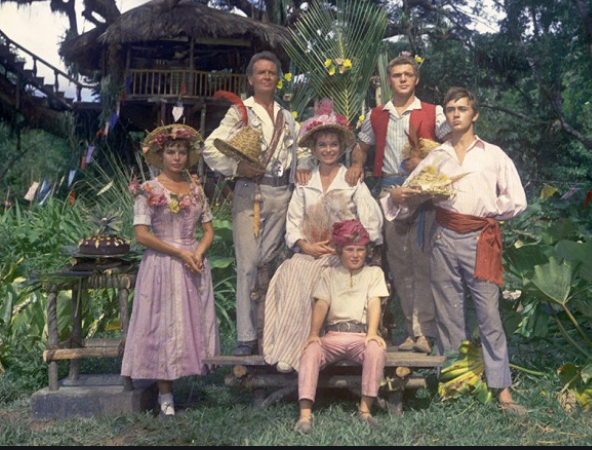
Have you ever dreamed of being on television? Well, now’s your chance! As you know, our family was on HGTV’s Tiny Paradise last year and one of our clients was on Tiny House Nation earlier this summer. Another major network has just reached out to us to build an off-the-grid, small structure in a remote location. Both Todd and I have some fun ideas for the project and even have some land in mind, all we need is one brave client who wants to be a modern Swiss Family Robinson. So, are you ready to live tiny and become a TV star? Apply today: Shari@hillcountrytinyhouses.com
I recently worked with Katie Milton Coaching and Consulting. At first I wondered if her style would work well with mine, but what I discovered was she’s a really great listener and offers thought provoking feedback. Now, I’m happy to report the clarification and direction I received from her coaching has helped me move forward when I was stuck. I recommend Katie for leadership coaching and mentoring.